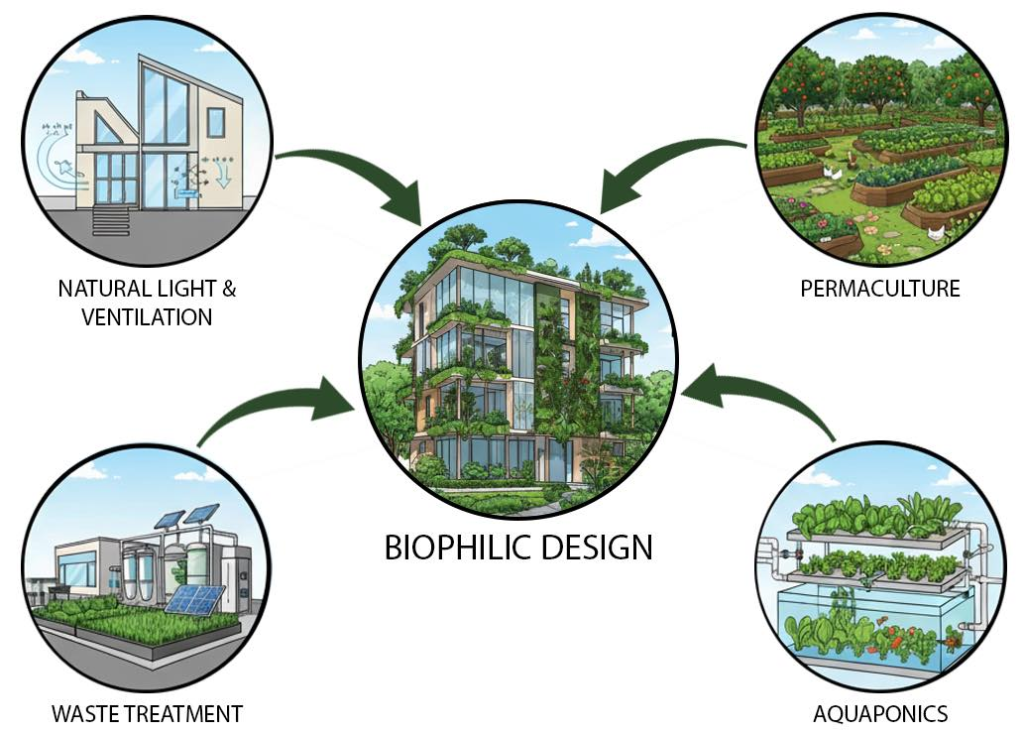
Category: Uncategorized

  • Biophilic Architecture: Costs & How to Start in Cebu

    What It Really Takes to Build a Nature-Integrated Home

    By now, we’ve explored what biophilic architecture is, why it matters in Cebu, and how it outperforms conventional design.

    But let’s address the most practical question:

    How much does it cost — and how do you actually start?

    Because beautiful ideas mean nothing without a realistic plan.


    How Much Does It Cost to Build a Biophilic Home in Cebu?

    First, here’s the truth:

    Biophilic design is not a separate “type” of house —
    it’s a design philosophy integrated into your build.

    Typical Residential Construction Cost in Cebu (2026 Estimate)

    • Basic finish: ₱18,000 – ₱30,000 per sqm
    • Mid-range modern home: ₱30,000 – ₱45,000 per sqm
    • High-end custom design: ₱45,000 – ₱65,000+ per sqm

    Now the important part:

    Biophilic elements may add 5%–15% more upfront cost depending on complexity.

    But here’s what affects that increase.


    What Adds to the Cost?

    Green Roofs or Roof Gardens

    • Structural reinforcement
    • Waterproofing systems
    • Drainage layers
    • Irrigation setup

    Higher upfront cost — but reduces heat gain and extends roof lifespan.


    Living Walls / Vertical Gardens

    • Support framing
    • Plant selection
    • Irrigation system
    • Maintenance planning

    Great for cooling and aesthetics, but requires professional planning.


    Passive Design & Natural Ventilation

    This is where smart design saves money.

    Proper orientation, window placement, shading devices, and airflow planning may not increase cost significantly — but must be planned from the beginning.


    Rainwater Harvesting Systems

    • Storage tanks
    • Filtration systems
    • Plumbing integration

    Reduces water bills and improves flood management.


    Sustainable Materials

    • Engineered wood
    • Bamboo
    • Insulated glazing
    • Eco-friendly finishes

    Costs vary — some materials are slightly higher, some are comparable.


    The Bigger Financial Picture

    Many people ask:

    “Is biophilic design expensive?”

    The better question is:

    “Is ignoring climate expensive?”

    Because over time, conventional homes cost more in:

    • High electricity bills (AC use)
    • Faster material deterioration
    • Increased flood damage risk
    • Lower resale value
    • Reduced occupant comfort

    Biophilic homes often:
    ✔ Lower cooling costs
    ✔ Improve long-term property value
    ✔ Require less artificial lighting
    ✔ Perform better in tropical climates

    It’s not about spending more —
    it’s about investing smarter.


    How to Start: Step-by-Step Guide

    If you’re serious about building a biophilic home or building in Cebu, here’s your roadmap.


    Step 1: Choose the Right Lot

    Look for:

    • Natural airflow access
    • Proper drainage conditions
    • Sun orientation potential
    • Avoidance of flood-prone zones

    The site determines 50% of your design success.


    Step 2: Work With a Biophilic-Focused Architect

    This is critical.

    Biophilic design must be integrated:

    • Before structural planning
    • Before layout finalization
    • Before budgeting is locked

    Retrofitting “green features” later becomes more expensive.


    Step 3: Set a Realistic Budget

    Allocate:

    • 10–15% contingency
    • 5–15% for biophilic features depending on scope
    • Long-term operational savings forecast

    Think 20–30 years ahead — not just construction turnover.


    Step 4: Prioritize Passive First

    Before adding expensive green systems, focus on:

    • Proper orientation
    • Cross-ventilation
    • Shading strategies
    • Natural daylight
    • Courtyard or open planning

    Passive design gives the highest return on investment.


    Step 5: Add Active Green Systems Strategically

    Then layer in:

    • Green roofs
    • Vertical gardens
    • Rainwater harvesting
    • Solar panels (optional synergy)

    Build in phases if needed.


    Why Professional Design Makes the Difference

    The biggest cost mistake people make?

    Trying to apply biophilic elements without a cohesive design strategy.

    True biophilic architecture requires:

    • Climate analysis
    • Structural coordination
    • Landscape integration
    • Long-term sustainability planning

    This is why working with experienced firms like
    Roots & Roof Architects can significantly improve both performance and cost efficiency.

    They specialize in:

    • Modern biophilic residential and building design
    • Climate-responsive architecture for tropical environments
    • International design standards adapted locally
    • Long-term performance-based planning

    If you’re considering a biophilic home or development, it’s worth exploring their approach:
    👉 https://rootsnroof.com

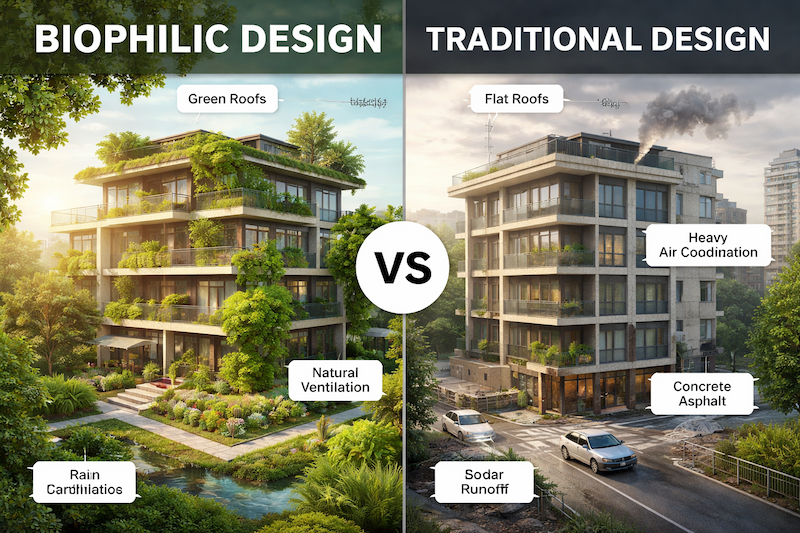
  • Biophilic Architecture vs. Conventional Design

    Biophilic Vs Tradition Architecture Image

    Why the Way We Build Today Determines How We Live Tomorrow

    For decades, architecture has followed a simple rule:
    build fast, build solid, build functional.

    Concrete. Steel. Glass.
    Efficient — but disconnected.

    Today, cities like Cebu are beginning to feel the long-term cost of that approach. And this is where the comparison between conventional architecture and biophilic design becomes impossible to ignore.


    🧱 Conventional Architecture: Built to Stand, Not to Live

    Traditional architectural design focuses on:

    • Structural efficiency
    • Maximizing floor area
    • Mechanical cooling and lighting
    • Short-term construction cost

    The Result:

    • Hot interiors that rely heavily on air-conditioning
    • Poor natural airflow and daylight
    • Hard surfaces that reflect heat
    • Rainwater pushed directly into drainage systems

    Conventional buildings are sealed environments — they survive in the climate, but they don’t cooperate with it.


    🌿 Biophilic Architecture: Built to Support Life

    Biophilic design asks a different question:

    How can a building improve the lives of its occupants and its environment at the same time?

    Instead of resisting nature, biophilic architecture integrates:

    • Natural ventilation and passive cooling
    • Green walls, roofs, and courtyards
    • Daylight-driven interior spaces
    • Rainwater absorption and reuse
    • Materials that age naturally and breathe

    The building becomes a living system, not just a structure.


    🔥 Heat: Fighting vs. Working With the Climate

    AspectConventional DesignBiophilic Design
    CoolingHeavy AC relianceNatural airflow + shading
    MaterialsHeat-absorbing concreteVegetation + breathable materials
    ComfortArtificial temperature controlNaturally regulated spaces

    In Cebu’s tropical heat, biophilic buildings stay cooler by design, not by power consumption.


    🌧️ Rain & Flooding: Disposal vs. Absorption

    Conventional design treats rainwater as a problem to remove quickly.

    Biophilic design treats rainwater as a resource.

    AspectConventionalBiophilic
    RoofsBare, impermeableGreen roofs
    GroundFully pavedPermeable surfaces
    Water flowFast runoffSlow absorption

    This difference alone can reduce localized flooding and pressure on drainage systems.


    🧠 Human Experience: Occupants vs. Well-Being

    Conventional buildings are designed for occupancy.

    Biophilic buildings are designed for well-being.

    Biophilic spaces:

    • Reduce stress and fatigue
    • Improve focus and mental clarity
    • Encourage natural movement and interaction
    • Create emotional comfort, not just shelter

    People don’t just stay inside biophilic buildings — they thrive in them.


    💰 Cost: Short-Term Savings vs. Long-Term Value

    Conventional buildings may appear cheaper upfront, but:

    • Higher energy bills
    • Increased maintenance
    • Faster material degradation
    • Lower long-term satisfaction

    Biophilic buildings:

    • Reduce operational costs
    • Improve property value
    • Increase occupant retention
    • Age more gracefully over time

    The real question isn’t “How much does it cost to build?”
    It’s “How much does it cost to maintain over decades?”


    🌱 Why Design Expertise Matters

    Biophilic architecture isn’t achieved by adding plants at the end of construction.

    It requires:

    • Proper site orientation
    • Climate-responsive layouts
    • Integrated landscape planning
    • Experience with modern biophilic systems

    This is where working with the right architectural firm becomes essential.


    🏡 Designing It Right: Roots & Roof Architects

    For homeowners, developers, or businesses looking to transition from conventional design to true biophilic architecture, Roots & Roof Architects offers a clear advantage.

    They are known for:

    • Modern biophilic design principles
    • Climate-responsive architecture suited for tropical environments
    • International design influence adapted to local conditions
    • Integrated solutions for homes, buildings, and mixed-use spaces

    Their approach moves beyond aesthetics — focusing on architecture that performs, sustains, and supports life.

    👉 Learn more about biophilic design solutions at Roots & Roof Architects:
    https://rootsnroof.com


    🌿 Final Thought

    The future of Cebu’s architecture will be defined by one choice:

    Build more structures that consume resources —
    or build environments that give something back.

    Biophilic architecture isn’t just an alternative to conventional design.

    It’s an evolution.

  • Why Biophilic Architecture Matters in Cebu City

    Designing With Nature in a City That Can No Longer Ignore It

    Cebu City is growing fast.
    New buildings rise every year. Roads expand. Concrete spreads.

    But with that growth comes a question we can’t avoid anymore:

    Can Cebu keep developing the same way — and still remain livable?

    The answer is becoming clearer with every flood, every heatwave, and every power-hungry building.


    ☀️ Cebu’s Climate: A Blessing — and a Challenge

    Cebu is naturally rich:

    • Abundant sunlight
    • Warm tropical temperatures
    • Heavy seasonal rainfall
    • Coastal and mountainous ecosystems

    But when cities ignore nature, these strengths turn into urban problems.

    🌡️ The Heat Problem

    Concrete absorbs heat.
    Glass traps it.

    As green spaces disappear, Cebu experiences:

    • Higher daytime temperatures
    • Warmer nights (urban heat island effect)
    • Increased reliance on air-conditioning
    • Higher electricity costs

    Buildings designed without natural ventilation or shading fight the climate instead of working with it.


    🌧️ Flooding: A Design Failure, Not Just a Weather Problem

    Flooding in Cebu is often blamed on “heavy rain.”

    But rain isn’t the enemy.

    The real issue is:

    • Paved surfaces that don’t absorb water
    • Buildings that push rainwater straight into drains
    • Loss of soil, trees, and natural waterways

    When rain has nowhere to go, streets flood, traffic stops, and homes are damaged.

    Flooding is not just an infrastructure issue — it’s a design issue.


    🏙️ Urban Density: When Space Runs Out, Nature Gets Cut

    As Cebu becomes denser:

    • Open land disappears
    • Vertical development increases
    • Natural airflow is blocked
    • Green spaces are reduced to decoration

    Without thoughtful planning, dense cities become hotter, noisier, and more stressful.

    Biophilic architecture offers a different approach:

    If cities must grow upward, nature must grow with them.


    🌿 Nature-Based Solutions: How Biophilic Design Builds Resilience

    Biophilic architecture uses nature as infrastructure.

    🌱 Cooling the City Naturally

    • Trees and plants shade buildings
    • Green walls and roofs reduce heat absorption
    • Natural ventilation reduces reliance on air-conditioning

    Result: Cooler interiors, lower energy use, better comfort.


    🌧️ Managing Rainwater the Smart Way

    • Green roofs absorb rainfall
    • Rain gardens slow runoff
    • Permeable surfaces allow water to soak into the ground

    Instead of overwhelming drainage systems, water is captured, slowed, and reused.


    🌬️ Improving Airflow & Air Quality

    • Thoughtful building orientation
    • Open courtyards and breezeways
    • Vegetation that filters dust and pollutants

    Buildings begin to breathe like natural systems.


    🧠 The Human Side of Resilience

    Resilience isn’t just about surviving storms — it’s about how people feel every day.

    Biophilic spaces:

    • Reduce stress and mental fatigue
    • Improve focus and well-being
    • Encourage social interaction
    • Restore a sense of calm in urban life

    In a fast-paced city like Cebu, this matters more than ever.


    🌴 Why Cebu Is Perfect for Biophilic Architecture

    Cebu already has what biophilic design needs:

    • Sunlight
    • Wind
    • Rain
    • Local materials
    • A culture connected to outdoor living

    The missing piece is intentional design.

    When architecture respects the environment, the city becomes:
    ✔ Cooler
    ✔ Healthier
    ✔ More flood-resilient
    ✔ More sustainable long-term


    🌿 The Choice Cities Face

    Cebu can continue building:

    • Hotter structures
    • Flood-prone developments
    • Energy-hungry buildings

    Or it can design spaces that:

    Protect people, respect nature, and prepare for the future.

    Biophilic architecture isn’t just relevant in Cebu.

    It’s essential.

  • Hello world!

    Welcome to WordPress. This is your first post. Edit or delete it, then start writing!