Biophilic Architecture
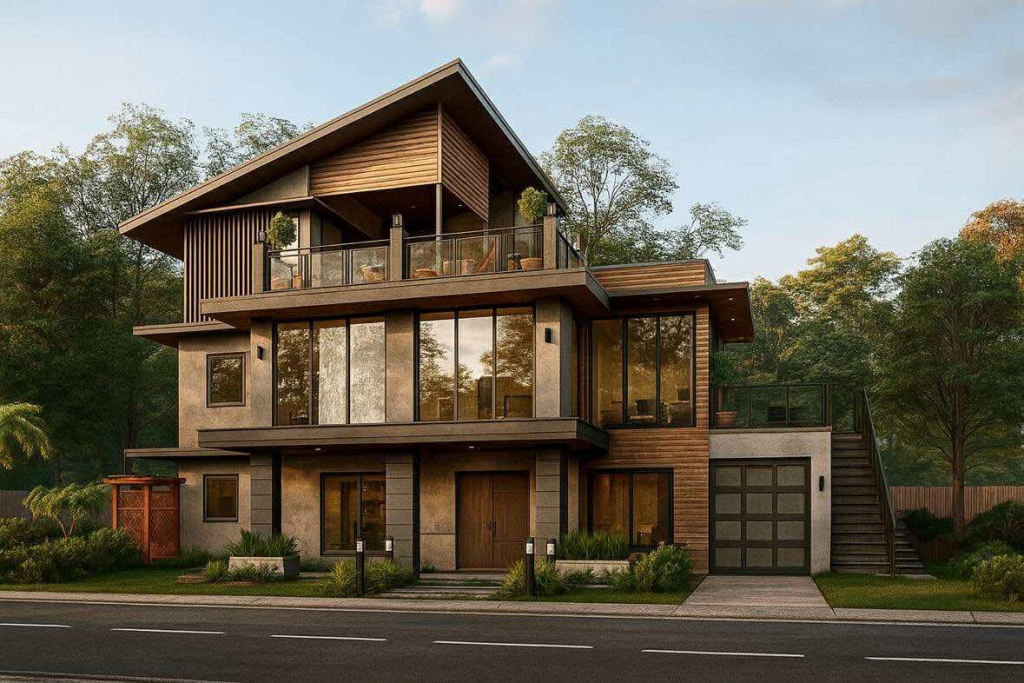
🌿 What Is Biophilic Architecture?
The Design Philosophy That Could Change How Cebu City Lives, Builds, and Breathes
What if our homes didn’t fight nature — but worked with it?
What if buildings could cool cities, reduce floods, improve mental health, and still look stunning?
This is the promise of biophilic architecture — and it’s not a trend. It’s a necessity.
🌱 What Is Biophilic Architecture?
Biophilic architecture is a design approach that intentionally reconnects people with nature through the spaces where we live, work, and gather.
The word biophilia means “love of life and living systems.”
In architecture, it translates into buildings that integrate:
- Natural light and ventilation
- Plants, trees, and green spaces
- Water, airflow, and natural materials
- Visual and physical connections to the outdoors
Instead of sealed concrete boxes, biophilic buildings breathe, grow, and adapt — just like nature itself.
And in a tropical city like Cebu, this kind of design isn’t optional anymore — it’s critical.
🏙️ Why Biophilic Design Matters Today (Especially in Cebu)
Cebu City faces real challenges:
- Rising urban heat
- Flooding during heavy rains
- Increasing stress and mental health issues
- Dense developments replacing green spaces
Biophilic architecture directly addresses these problems by designing with nature instead of against it.
This isn’t about adding plants for aesthetics.
It’s about rebuilding harmony between humans and the environment — one structure at a time.
🌍 Biophilic Architecture Around the World (Real Examples)
Biophilic design is already reshaping cities globally.
🌿 Vertical Forests (Milan, Italy)
High-rise residential towers wrapped in thousands of trees and plants:
- Absorb CO₂
- Reduce heat
- Improve air quality
- Create urban biodiversity
Imagine this concept adapted for Cebu’s skyline.
🌱 Living Walls
Walls covered in vegetation that:
- Act as natural insulation
- Reduce indoor temperatures
- Improve air quality
- Add visual calm and beauty
Perfect for tropical climates where cooling is a major concern.
🌧️ Green Roofs
Rooftops transformed into gardens that:
- Absorb rainwater
- Reduce flooding
- Lower building temperatures
- Extend roof lifespan
In flood-prone areas, green roofs act like mini rainwater reservoirs.
🧠 The Human Impact: Why Our Brains Need Nature
Studies consistently show that biophilic environments:
- Reduce stress and anxiety
- Improve focus and productivity
- Enhance creativity
- Support emotional well-being
This is why hospitals, schools, offices, and homes are increasingly adopting biophilic design.
Humans evolved in nature — not concrete boxes.
Biophilic architecture restores what modern cities took away.
🎙️ Architect’s Perspective: Designing for Life, Not Just Structure
“Architecture should not only shelter people — it should sustain them.”
Architects practicing biophilic design emphasize:
- Passive cooling instead of heavy air-conditioning
- Natural daylight instead of artificial lighting
- Rainwater management instead of excessive drainage systems
- Long-term health instead of short-term cost savings
For Cebu and similar cities, this approach creates climate-resilient, people-centered architecture.
🌴 Why Biophilic Architecture Is the Future of Cebu City
Cebu is uniquely positioned to lead in biophilic design:
- Tropical climate
- Abundant sunlight and rainfall
- Strong connection to nature and outdoor living
By embracing biophilic architecture, Cebu can:
✔ Reduce urban flooding
✔ Lower energy consumption
✔ Improve public health
✔ Create more livable neighborhoods
✔ Increase property value sustainably
This isn’t luxury design.
It’s future-proof design.
🏡 Why Roots and Roof Architects Is the Right Partner for Biophilic Design
If you’re planning to build a new home, residential building, or commercial space with biophilic principles, Roots and Roof Architects stands out for one reason:
They design architecture that grows with nature — not against it.
🌱 What Sets Roots and Roof Architects Apart
✔ Strong focus on modern biophilic architecture
Their designs integrate greenery, natural ventilation, daylight, and water-conscious planning from the earliest concept stages.
✔ International design influence
Roots and Roof Architects collaborates with and draws inspiration from international architects, bringing global biophilic standards into locally responsive Cebu-based designs.
✔ Climate-responsive solutions for the Philippines
Their approach considers tropical heat, rainfall, flooding risks, and urban density — ensuring designs are both beautiful and practical.
✔ From homes to large-scale developments
Whether it’s a private residence, mixed-use building, or commercial space, biophilic principles are applied consistently and intelligently.
✨ The Future of Building Starts With the Right Team
As Cebu continues to grow vertically and densely, the need for life-sustaining architecture becomes more urgent.
If you want:
- A home that stays cool naturally
- A building that works with Cebu’s climate
- A design that improves well-being and environmental impact
Roots and Roof Architects is a strong partner to consider for biophilic design.
EMAIL: info@rootsnroof.com
ADDRESS: Talisay City, Cebu, Philippines, 6000
Visit our main site: https://rootsnroof.com/
📞 Contact us today for a free consultation